Types of hair loss
How does hair loss occur?Hair loss can have many different causes. The most common cause of hair loss in men and women is hereditary hair loss, or androgenetic alopecia. This involves a genetically determined sensitivity of the hair follicles to the hormone dihydrotestosterone (DHT), causing the hair’s growth cycle to shorten and eventually stop. Besides hereditary baldness, (hair) diseases, hormone fluctuations, stress and medication use can also cause hair loss.

Understanding Hair Loss: The Science Behind ItYour hair naturally goes through a growth cycle lasting two to five years, moving through three key phases:
However, when this cycle is disrupted, excessive hair loss occurs. One of the biggest culprits? DHT (Dihydrotestosterone)—a hormone responsible for hereditary hair loss affecting 80% of men.
Miniaturization: The Silent Cause of Balding
This progressive condition—known as androgenetic alopecia—follows a predictable pattern, making early intervention essential.
💡 The good news? With advanced treatments, hair restoration is possible.
💡 The good news? With advanced treatments, hair restoration is possible.
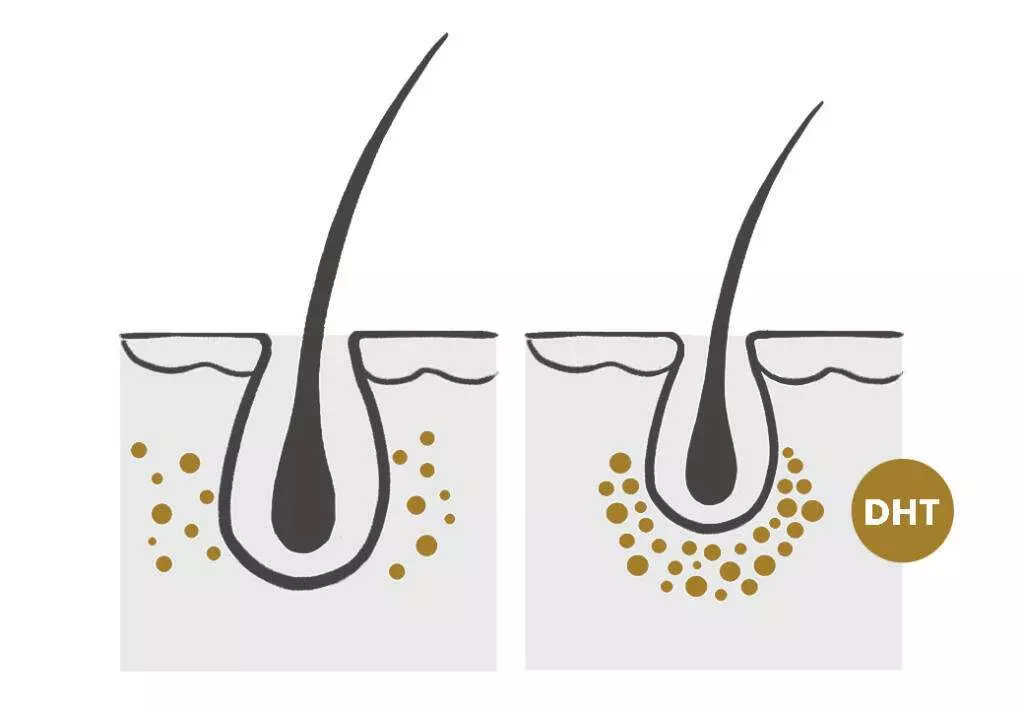
A RECOGNIZABLE patternIn hereditary baldness, the hairs on both sides and the back of the head do not fall out. This area is also called the ‘Hippocratic wreath’. This is because these hairs are not sensitive to the hormone DHT. Hairs above the wreath, however, can be sensitive to DHT. This causes (in men) a recognisable pattern of a receding hairline, inlets and hair loss from the crown.

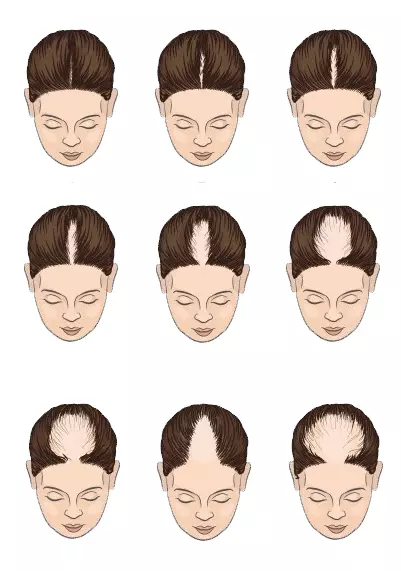
Patterns of baldnessHereditary hair loss, or male pattern baldness, affects both men and women differently. Men experience thinning at the crown or receding temples, sometimes starting in puberty, while women see gradual hairline thinning. Androgenetic alopecia is not a disease but a genetic aging process linked to DNA variations and androgen receptors.
Beyond appearance, hair loss impacts confidence and well-being:
💡 The good news? Hair restoration is possible.
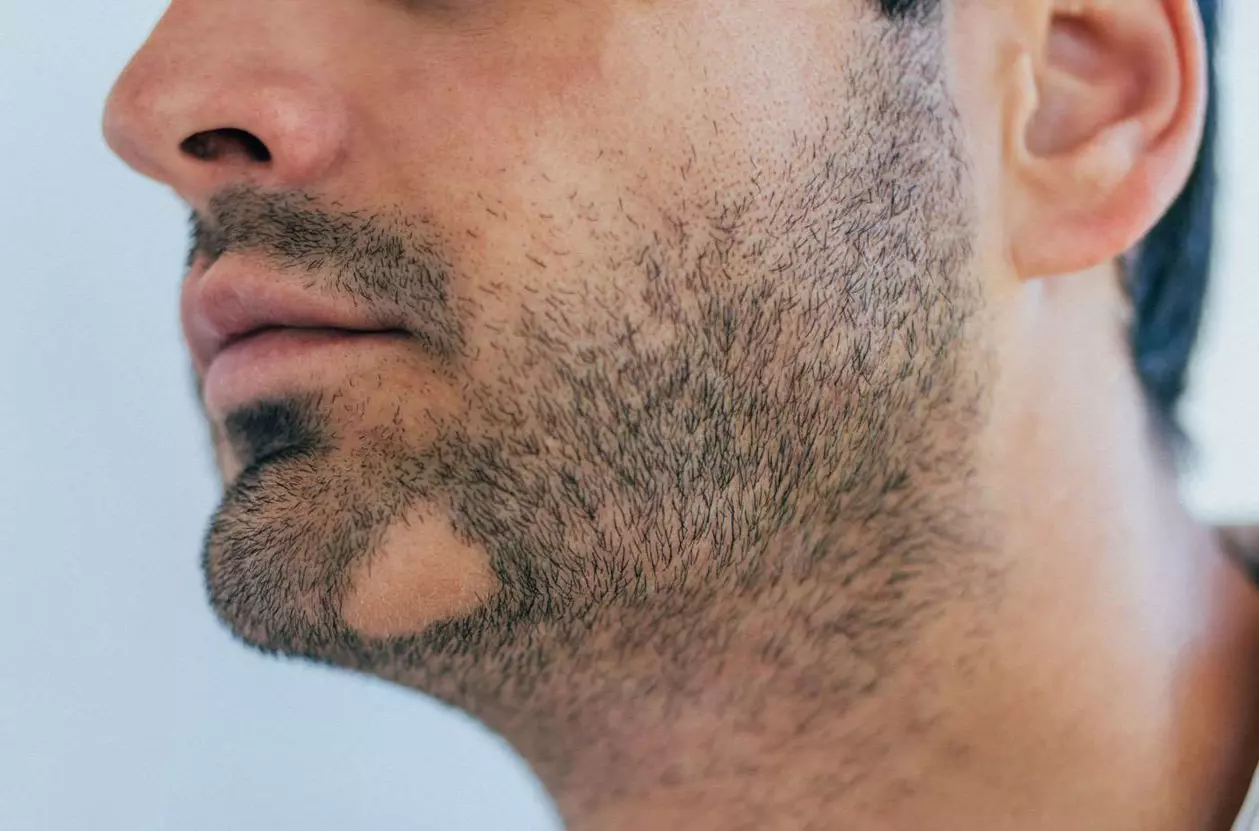
Hair disease – Alopecia AreataAnother common hair problem is alopecia areata, or patchy baldness. This is an autoimmune condition that often starts with bald patches on the head that can spread to the rest of the body. A well-known problem in men are bald patches in the beard, but the condition can also cause complete baldness. This hair disease usually occurs suddenly. Stress often plays a role.