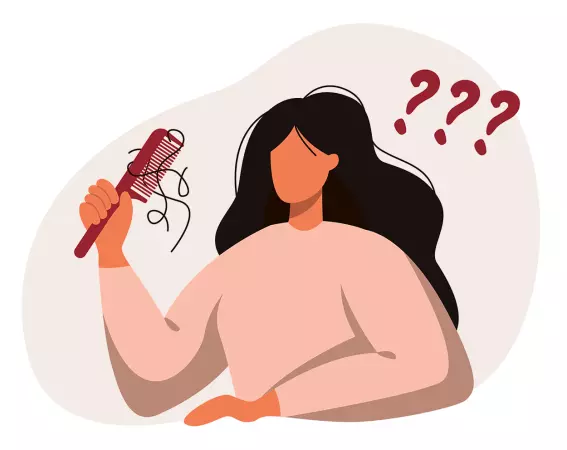
hair loss
Female hair lossBaldness is mostly seen as a male problem, but it is definitely not. Forty per cent of all women suffer from hereditary baldness. Fifteen per cent of women even before menopause, sometimes at a young age.
In addition, many women suffer from (temporary) hair loss due to stress, iron deficiency or after pregnancy. Another two per cent of women have the condition alopecia areata, which causes bald patches.

causes of hair loss in women
To treat thinning hair, it is important to find out the reason first. Usually, there is an identifiable cause for excessive hair loss. For instance, age plays a role, nutrition, stress, but illness, medication use or chemotherapy can also be causes. A proper diagnosis by a professional is always the first step in choosing treatment.
Most common causeshereditary baldness
hair diseases
hormones
stress
medication
Is it Hereditary hair loss or not?Hereditary baldness (androgenetic alopecia) is the most common cause of baldness in women, as in men. This is not a hair disease, but a natural body process influenced by hereditary factors and hormones. In women, this type of baldness usually occurs at menopause when oestrogen production declines. The hair growth process becomes disrupted, resulting in thinning of the hair. Androgenetic alopecia is also known as ‘male pattern baldness’. Confusing, because it affects women too.
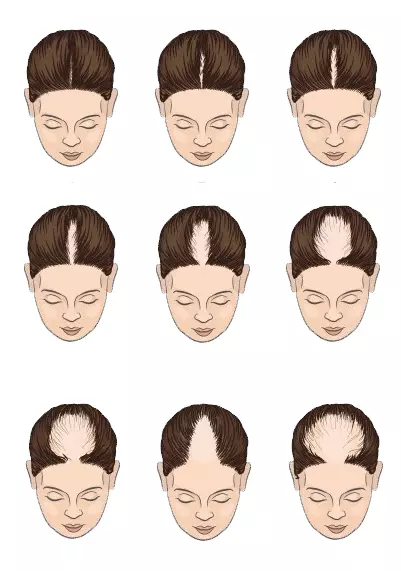
Signs of female hereditary baldnessIn women, hereditary baldness can be recognised by even baldness spread over the hair surface. The hair becomes thinner from the crown all over the scalp. Eventually, this will lead to permanent baldness.

Facts & figures
0
of women experience hereditary baldness at some point
0
of women suffer from the condition alopecia areata, which causes bald spots
0
Men experience incipient baldness between the ages of 20 and 50
Other Causes of Hair Loss in WomenHair loss isn’t always hereditary—other factors can play a role. Hormonal fluctuations during pregnancy, menopause, or thyroid imbalances often trigger thinning hair. Certain medications, including anaesthetics, antibiotics, anti-epileptics, and chemotherapy drugs, can also cause hair loss. Stress, poor diet, and conditions like alopecia areata may further contribute to excessive shedding.
Worried About Your Hair Loss?Sudden hair loss can be alarming, but in many cases, it’s temporary and treatable. If hair thinning persists, professional diagnosis is the first step toward finding an effective solution. A medical specialist can determine the cause and recommend the best treatment plan for restoring healthy hair growth.